

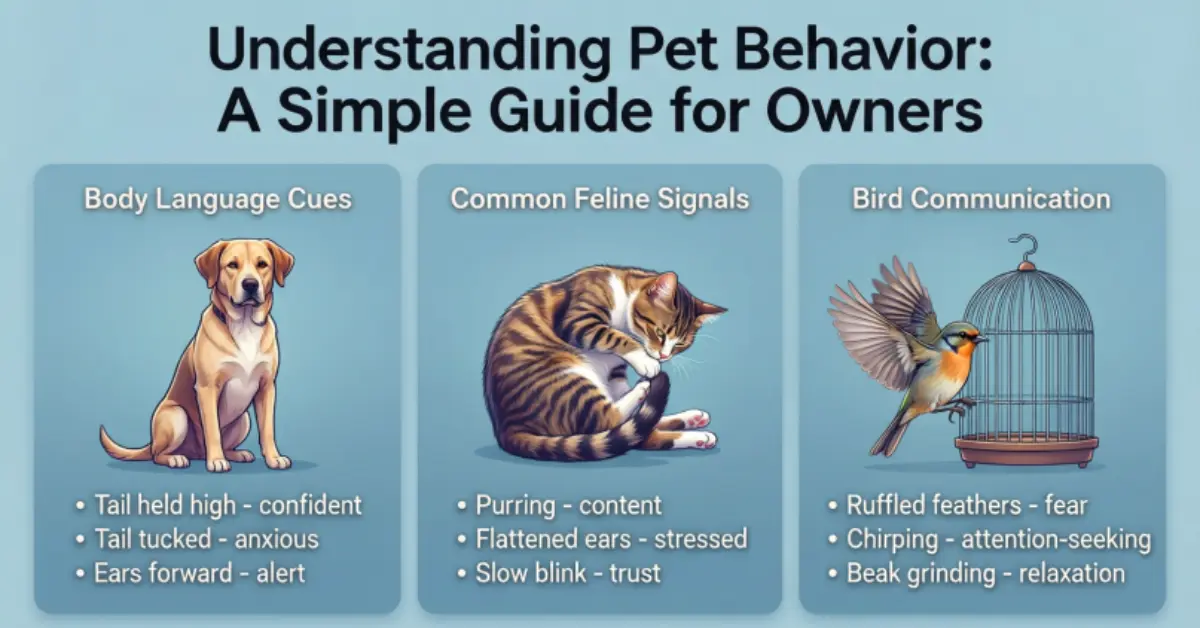
Introduction
Understanding pet behavior is one of the most important skills every pet owner should learn. Pets cannot speak our language, yet they communicate all the time through actions, sounds, and body signals. When owners fail to notice these signs, confusion and stress often follow. This is why understanding pet behavior helps create a strong and healthy bond between humans and animals.
Many beginners think pets misbehave on purpose. In reality, most behavior comes from instinct, fear, excitement, or unmet needs. By learning how pets think and react, owners can respond calmly instead of with frustration. This approach builds trust and reduces common problems like barking, scratching, biting, or hiding.
Understanding pet behavior also improves daily care. Feeding, training, grooming, and playtime become easier when you know what your pet is feeling. For example, a dog wagging its tail does not always mean happiness, and a quiet cat may still feel stressed. Small details matter more than most people realize.
Moreover, understanding pet behavior helps prevent accidents and health issues. Sudden behavior changes often signal pain or illness. Owners who notice these changes early can seek help before problems grow serious. In the long run, this knowledge saves time, money, and emotional stress.
What is Understanding Pet Behavior?
Understanding pet behavior means learning how pets communicate, react, and express emotions through actions and body language. It involves observing daily habits, movements, sounds, and responses to different situations.
Every pet species has natural instincts. Dogs often follow pack behavior, while cats value territory and independence. Birds, rabbits, and other pets also have unique behavior patterns shaped by nature and environment. Understanding these patterns helps owners know what is normal and what needs attention.
Pet behavior is influenced by several factors, including genetics, early experiences, training, and health. A rescued pet may act differently from one raised from birth. Likewise, changes in routine can affect how a pet behaves at home.
Understanding pet behavior is not about control. Instead, it focuses on communication and cooperation. When owners understand the reasons behind actions, they can guide pets gently and effectively. This leads to better training results and a calmer household.
Why is Understanding Pet Behavior Important?
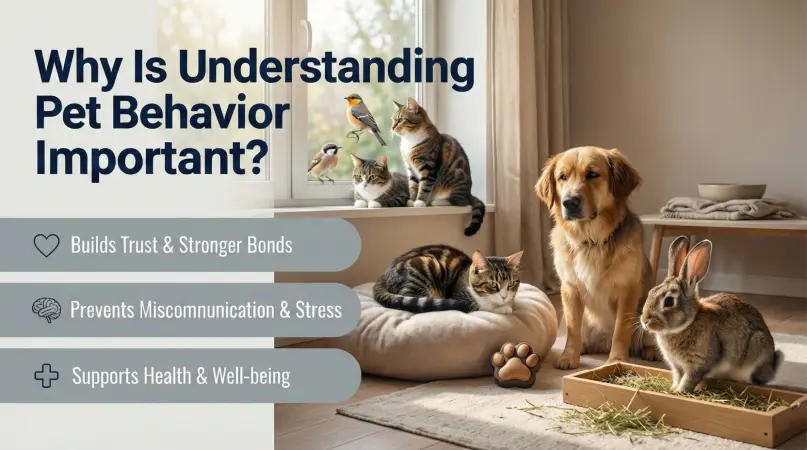
Understanding pet behavior is important because it builds trust and improves daily life. Pets feel safer when their signals are noticed and respected. This emotional safety encourages positive behavior.
Behavior knowledge also prevents punishment-based mistakes. Many owners punish pets for actions caused by fear or confusion. Understanding the cause allows for kinder solutions that work better long term.
In addition, understanding pet behavior improves safety. Recognizing warning signs like growling, stiff posture, or hiding helps prevent bites and scratches. It protects both pets and people.
Finally, understanding pet behavior supports mental and physical health. Stress-related behaviors often disappear when pets feel understood. A calm pet is usually a healthier and happier one.
Detailed Step-by-Step Guide
Step 1: Observe Daily Behavior
Start by watching your pet closely every day. Notice how they eat, sleep, play, and react to sounds or visitors. Consistent observation reveals patterns.
Write down behaviors if needed. This helps you see changes over time and understand triggers.
Step 2: Learn Body Language
Pets communicate through posture, facial expressions, and movement. Dogs may lower their ears when scared, while cats may flick their tails when annoyed.
Learning body language prevents misunderstandings and allows quick response to stress signals.
Step 3: Understand Vocal Sounds
Sounds also carry meaning. Barking, meowing, chirping, or whining can express excitement, fear, or discomfort.
Pay attention to tone and frequency rather than volume alone.
Step 4: Identify Triggers
Notice what causes certain behaviors. Triggers may include loud noises, strangers, other animals, or changes in routine.
Once identified, triggers can be managed or slowly introduced in a controlled way.
Step 5: Respond Calmly
Your reaction shapes your pet’s response. Calm, consistent reactions teach pets what behavior is expected.
Avoid shouting or sudden movements, as these increase fear and confusion.
Step 6: Use Positive Reinforcement
Reward good behavior with treats, praise, or playtime. Positive reinforcement encourages repetition of desired actions.
Consistency is key for lasting results.
Step 7: Adjust Environment
Sometimes behavior issues come from the environment. Lack of space, boredom, or noise can cause stress.
Simple changes like toys, quiet areas, or routine adjustments often improve behavior.
Benefits of Understanding Pet Behavior
- Builds stronger trust between pet and owner
- Reduces stress and anxiety in pets
- Improves training success and obedience
- Prevents aggressive or fearful reactions
- Helps detect health problems early
- Creates a calmer home environment
Disadvantages / Risks
- Misreading signals can lead to wrong responses
- Inconsistent observation may cause confusion
- Overanalyzing normal behavior may create worry
- Lack of patience can slow progress
- Ignoring professional help when needed
Common Mistakes to Avoid
Many owners expect instant results. Understanding pet behavior takes time and patience.
Another mistake is comparing pets. Each animal has a unique personality and pace.
Ignoring subtle signals is also common. Small changes often matter most.
Finally, reacting emotionally instead of calmly can reinforce unwanted behavior.
FAQs
What is the first step in understanding pet behavior?
Observation is the first step. Watching daily habits helps identify patterns and changes.
Can understanding pet behavior stop bad habits?
Yes, understanding the cause allows you to address the problem correctly and kindly.
Do all pets show behavior the same way?
No, each species and individual pet communicates differently.
How long does it take to see improvement?
Improvement depends on consistency. Small changes often appear within weeks.
Is professional help necessary?
Sometimes. If behavior is sudden or severe, professional guidance is helpful.
Does age affect pet behavior?
Yes, puppies, adults, and senior pets behave differently due to energy and health levels.
Expert Tips & Bonus Points
Stay patient and consistent. Behavior learning is a process, not a quick fix.
Create routines. Pets feel secure when daily activities follow a pattern.
Socialize pets early when possible. Early exposure builds confidence.
Trust your instincts. Owners who pay attention often notice important signs first.
Conclusion
Understanding pet behavior is a valuable skill that improves every part of pet ownership. It helps owners communicate clearly, respond kindly, and build lasting trust. Pets feel safer when they are understood, and this emotional comfort shows in their actions.
By observing daily habits, learning body language, and responding calmly, owners can prevent many common problems. Training becomes easier, and stressful situations become manageable. Over time, this knowledge strengthens the bond between pets and their families.
Understanding pet behavior also supports health and safety. Early signs of illness or discomfort often appear as behavior changes. Owners who recognize these signals can act quickly and protect their pets from serious issues.
