

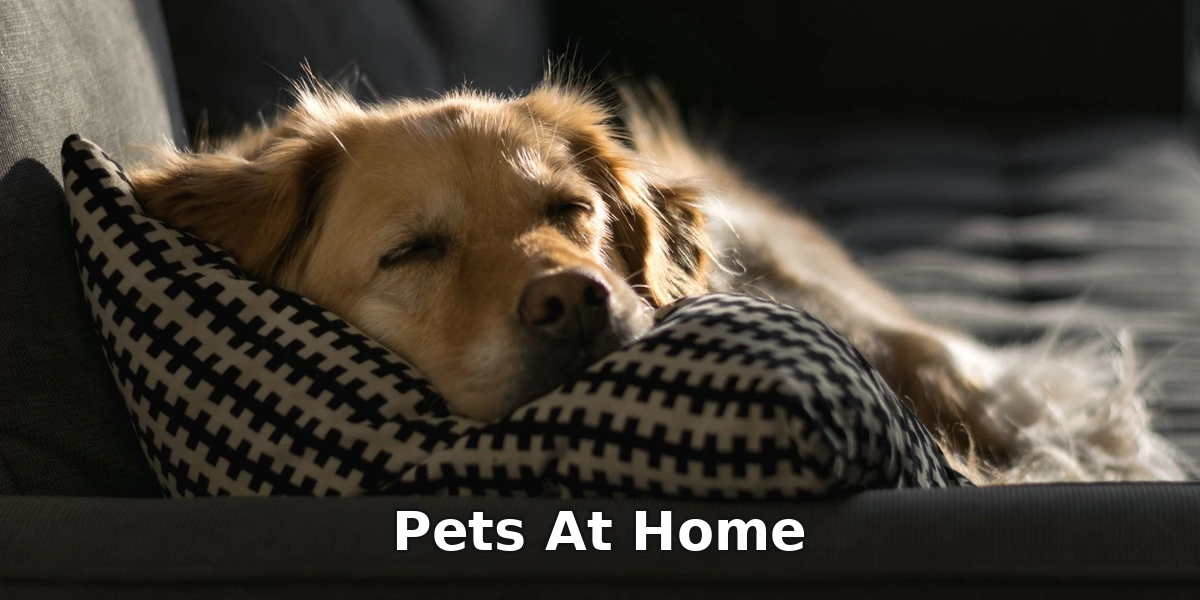
The sound of paws on the floor and a happy face at the door can make even a hard day feel lighter. Living with pets at home brings that joy into daily life, along with feeding, cleaning, training, and quiet care that keep every tail, wing, or whisker healthy. What a pet needs most is a safe space, a steady routine, fresh food and water, and people who give time and love every day.
Why Life With a Pet at Home Feels So Special
A pet turns a house into a warmer place. Dogs greet you like you are the best part of their day, cats pick a sunny corner and make it their own, and even a small bird or fish can make a room feel alive. Families with pets at home often find that children learn kindness and patience faster, because a pet depends on them for food, gentle handling, and care.
A pet also gives the day a soft shape. Morning feeding, an evening walk, and a few minutes of play become small anchors that the whole family shares. These gifts come with duty, of course: a pet is not a toy for a few happy weeks, but a family member for many years, in good days and in hard ones too.
Daily Routines That Keep Home Pets Happy and Healthy
Pets feel safe when life follows a pattern they can trust. Feeding at near the same times each day, keeping fresh water ready, and setting fixed times for walks, play, and rest help pets at home stay calm and well behaved. A young puppy or kitten needs more meals and more sleep breaks, while an older pet may need shorter walks and softer food, so shape the routine around age and health, not around a fixed chart.
Feeding, water and clean corners
Feed your pet in the same quiet corner each day and wash bowls often, because old food and dirty water can upset a pet’s stomach. Store food in a closed box, away from heat and damp, and keep human food like chocolate, grapes, onions, and cooked bones out of reach, as these can harm dogs and cats. Clean litter trays daily, wash bedding each week, and sweep the feeding area often, so the home stays fresh for both pets and people.
Play, exercise and rest
Play is not a luxury for a pet; it is part of staying fit and happy. Dogs need daily walks and sniff time, cats enjoy short hunting-style play with a wand or a ball, and small pets need safe time out of the cage. After play comes rest: pets at home sleep far more than people do, and a pet that can nap in peace in its own spot will be calmer and friendlier through the day.

Setting Up a Safe and Cosy Space at Home
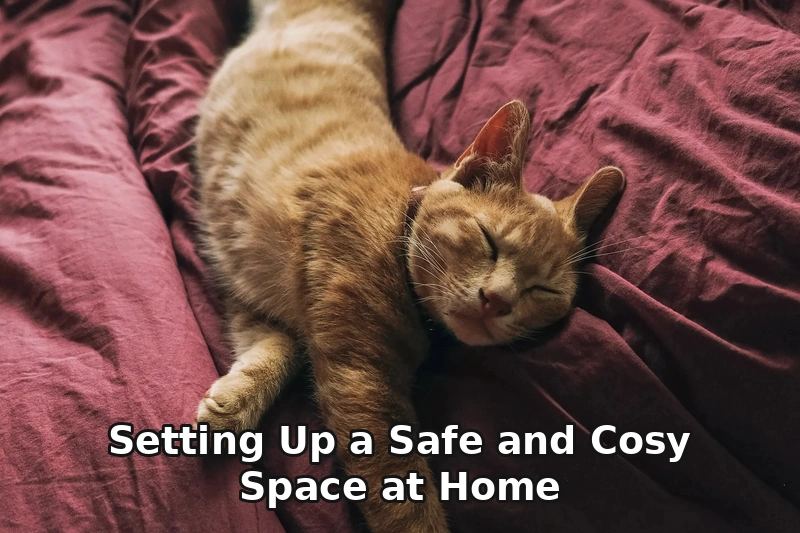
Every pet needs one spot that is fully its own: a bed, a crate with the door open, a cage, or a tank placed away from noise and direct sun. When you plan this corner for pets at home, think like your pet: can it rest there without being stepped on, teased, or woken again and again? A quiet corner near the family, but not in the middle of the busiest path, usually works best.
Safety checks matter just as much as comfort. Tie up or cover loose wires, keep medicines, cleaning liquids, and sharp tools in closed cupboards, and put small items that a pet could swallow out of reach. Check that doors, gates, and window screens close well, because a curious cat or a fast puppy can slip out in seconds. Keep house plants where pets cannot chew them.
A first-week setup that works
In the first week, keep things simple: one resting spot, one feeding corner, and toys in one small box. Teach children that a sleeping pet is never to be woken for play. A calm first week helps pets at home trust their new rooms, smells, and people, and it makes later training far easier for everyone.
Food, Play and Rest: The Simple Daily Balance
Good home care is mostly a balance of three simple things: right food, enough play, and enough rest. Feed a complete pet food that suits your pet’s age and size, and use treats as small rewards, not as meals. Many home pets gain weight slowly because treats add up, so keep portions honest; a vet can tell you the right weight range at a checkup.
Mix calm time into the day as well. A dog that only plays wild games may stay restless indoors, while short training games, sniff walks, and chew toys help the mind work in a quiet way. Cats rest well after play followed by a small meal. Small pets such as rabbits and guinea pigs need hay, things to gnaw, and gentle handling each day.
Teaching Good Habits With Patience and Love
Good habits are built in small, daily steps, not in one long lesson. Reward the behaviour you like — sitting calmly, coming when called, using the litter tray — with a small treat, a kind word, or a favourite game, right at the moment it happens. For pets at home, short sessions of a few minutes, done often, work far better than rare, long, tiring ones.
House rules should be the same for every family member. If one person lets a dog jump up and another scolds it, the dog only feels confused. Agree on simple rules: where the pet may sleep, which rooms are off limits, who feeds and walks it, and how children should hold or approach it. Never hit or shout at a pet for a mistake; clean up calmly, show the right place or action, and reward it when your pet gets it right.
Conclusion
A happy pet does not ask for a perfect house, only for a safe one filled with steady love, clear rules, and daily care. If you build your days around pets at home with that simple promise — good food, clean water, play, rest, and gentle teaching — your pet will give you back years of trust, fun, and quiet company that no other joy quite matches.
FAQs
Which pet is easiest to keep at home?
No pet is effort free, but fish, a calm adult cat, or a small cage pet can fit homes with less free time. Pets at home still need daily feeding, cleaning, and attention, so choose a pet whose care fits your real routine.
How do I make my home safe for a new pet?
Cover loose wires, lock away medicines and cleaning liquids, and remove small items a pet could swallow. A safe start for pets at home also means checking doors, gates, and window screens before the pet arrives.
How much time does a pet need each day?
Dogs need the most, with walks, play, feeding, and company spread through the day. Cats and small pets need less walking but still need daily play, fresh food and water, and gentle attention.
Can pets live happily in a small flat?
Yes, many pets live happily in small flats when they get enough play, rest space, and clean corners. Pets at home in a flat do best with a fixed routine, daily exercise, and one quiet spot that is fully their own.
How do I teach children to treat a pet well?
Show them how to stroke gently, hold a pet only with an adult’s help, and leave a sleeping or eating pet alone. Praise children when they are kind and calm, so good habits grow on both sides.
