

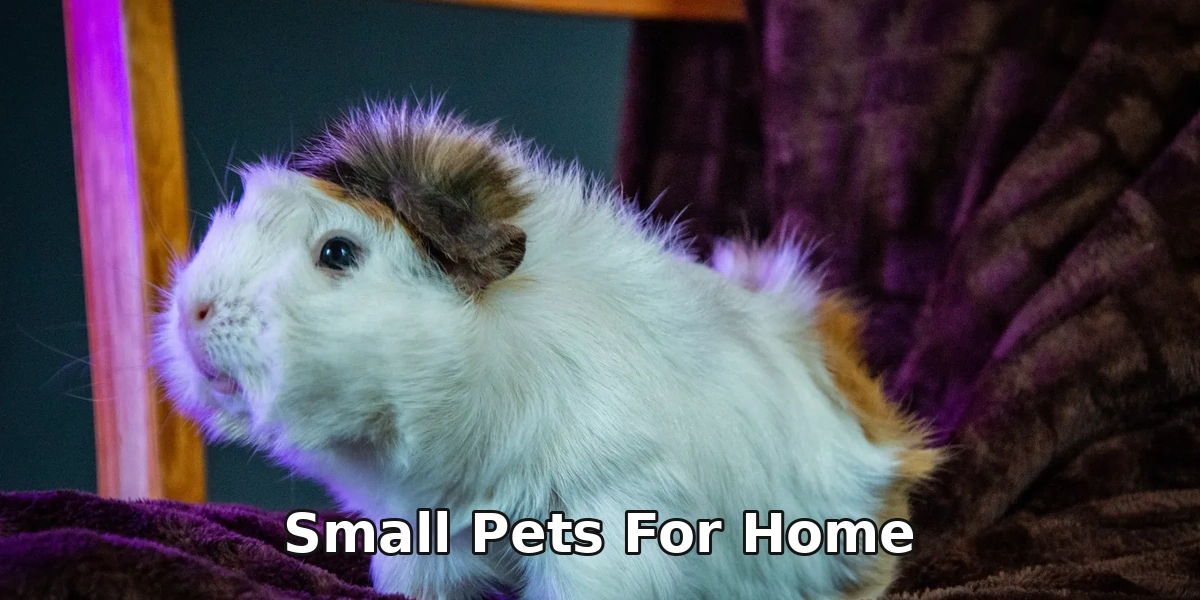
A small pet can bring soft sounds, gentle company and a happy daily routine into almost any house or flat. Many people start by exploring small pets for home, hoping for a little friend who does not need a big garden or long walks. Small does not mean no work, though. This guide walks through the main choices in plain, honest words.
Why Small Pets Suit So Many Homes
Small pets fit well in flats and smaller houses because their home sits in one part of a room. A cage, pen or tank becomes their world, so that world must be roomy, safe and interesting. Owners also enjoy the routine: feeding, a little cleaning, and quiet time watching or gently holding a pet at the end of the day. That is the charm of small pets for home: a whole little world, cared for in one corner.
Think first about noise, smell, cost and time, not just size. Some small animals sleep in the day and play at night, some need a friend of their own kind, and some need daily time out of the cage. Families looking at small pets for home do well when they match the pet to their daily rhythm, their space, and the age of the children in the house.
Hamsters, Guinea Pigs And Rabbits: Soft Company At Home
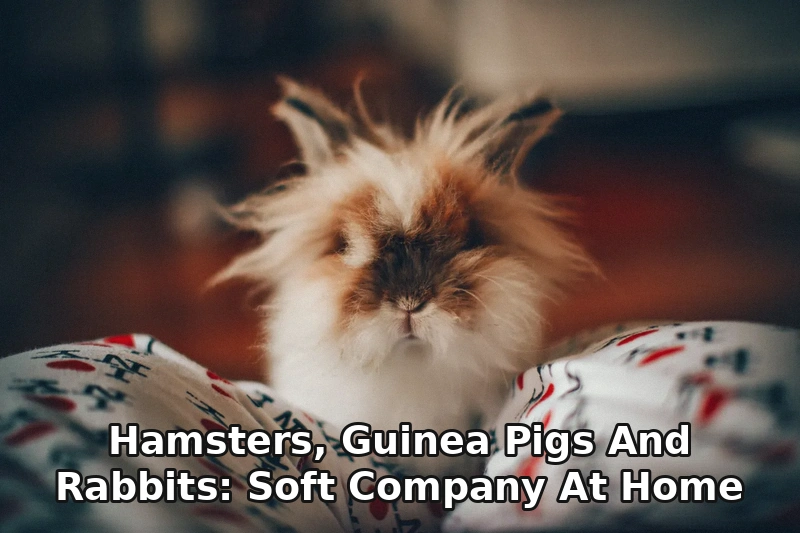
Hamsters are small, busy and mostly active in the evening and at night. They live alone happily, need a large cage with deep bedding for digging, a solid wheel for running, and small houses or tubes for hiding. They are quick and delicate to hold, so they suit older children and adults who can move slowly and sit while handling them.
Guinea pigs are gentle, chatty little animals that make soft sounds when they are happy or hoping for food. They are social and are usually kept with a guinea pig friend, and they need a wide pen, hay all day, fresh greens, and floor time to explore. Rabbits need even more space, with a large pen, room to hop and stretch, hay for eating, and things to chew safely. For many families, small pets for home in this group bring the most hands-on company, along with the most daily cleaning and space needs of the small pets in this guide.
Space and bedding for soft pets
Plan the biggest cage or pen your room can fit, because floor space matters more than tall shelves for most of these pets. Add soft, safe bedding, a hide house for sleep, and a quiet corner away from loud music and harsh sun.
Small Fish And Budgies: Calm Life In A Small Space
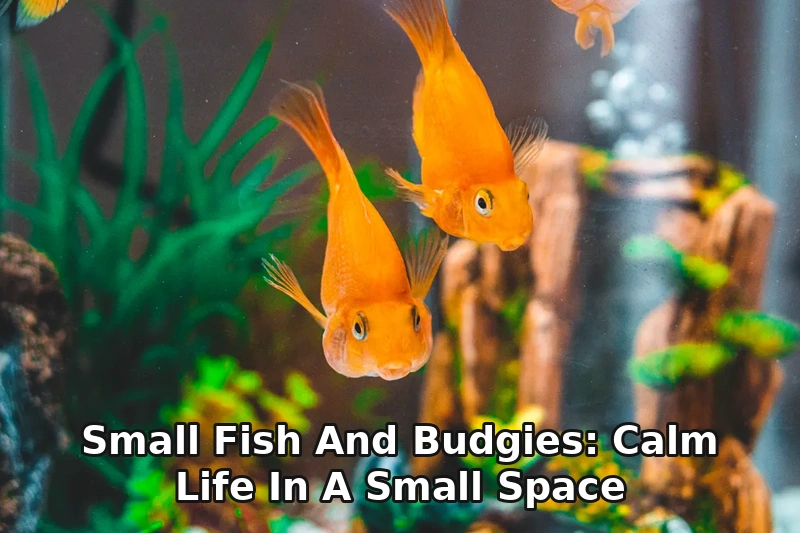
Small fish bring colour and calm without any need for handling. A small tank still needs real care: a filter, a steady light routine, and part of the water changed on a regular schedule. Feed lightly, keep the water clean, and choose fish that can live together in peace.
Budgies are bright, lively birds that sing, chirp and learn the sounds of the home. They need a wide cage with room to move between perches, fresh seed or pellets, clean water, and time out of the cage in a safe room if the home allows it. Budgies are social, enjoy company, and need sleep in a quiet, dim place at night. Among small pets for home, fish and budgies give gentle company with less floor space, but their water, cage and daily feeding care must never be skipped.
Setting up a tank or cage well
Place a tank away from direct sun and doors that bang, on a stand that can hold its full weight with water. For a bird cage, choose strong bars with safe spacing, perches of varied width, and toys that can be cleaned or swapped.
Space, Time And Daily Care To Plan For
Every small pet has a daily list. Food and fresh water come first, then a quick check that the pet looks well and its home is clean and safe. Bedding pets need spot cleaning and regular full cleans. Fish need water checks and small, regular water changes. Birds need cage cleaning, fresh food, and social time with the family. None of this is hard, but small pets for home depend on it being done on time, every time.
Weekly costs also add up: food, hay, bedding, tank supplies and vet care for a small animal that gets sick. Handling time matters too. Some pets love gentle holding, while others prefer to be watched and spoken to. When families compare small pets for home, the honest question is not which pet is cutest, but which daily list fits the time and budget the family can keep up, month after month, with love.
Children and small pets
Young children can help with simple jobs, like filling a water bottle with an adult nearby. An adult should always lead on handling, cleaning and health checks, because small pets are fragile and can be hurt by a fall or a tight squeeze. Teach children to sit on the floor for holding, to move slowly, and to let a resting pet rest.
Choosing The Right Small Pet For Your Family
Start with your room, your routine and your noise comfort. A night-active hamster may not suit a light sleeper if the cage sits in a bedroom. A pair of guinea pigs needs more floor space than many people expect. A rabbit needs a pen and daily exercise space, not just a small cage.
Visit a good shop, shelter or rescue and watch the pets before you decide. Ask what the pet eats, how much space adults of that kind need, and what daily care looks like in real life. Take notes, go home, and set up the cage, pen or tank fully before the pet arrives. That calm order — home first, pet second — is how small pets for home settle in with less stress and a much happier first week.
A small home readiness check
Before the pet arrives, set out food, bedding or tank supplies, a hide or shelter, and a cleaning kit. Choose where the home will sit, away from smoke, sprays and busy doorways.
Conclusion
A little pet can fill a home with gentle sounds, soft company and a routine the whole family looks forward to each day. Choose with care, set up a roomy and safe home, and keep the daily care steady, and small pets for home will reward you with trust, charm and quiet joy.
FAQs
Are small pets easy to look after?
They are smaller, not effort-free, and each kind needs daily food, water and cleaning. The work is simple, but it must happen every day without a skip.
Which small pet suits a flat?
Fish, a hamster, or a pair of guinea pigs can suit a flat if the cage, pen or tank is roomy. Check the noise and space needs first, because small pets for home still need a proper corner of their own.
Do guinea pigs need a friend?
Guinea pigs are social and are usually happier with a guinea pig friend. Plan space and food for a pair from the start, not as an afterthought.
Can children care for a small pet alone?
No, an adult should lead on handling, cleaning and health checks. Children can help with simple, watched jobs and learn kind care along the way.
What should I buy before bringing a small pet home?
Set up the full cage, pen or tank first, with food, bedding, water gear and a hide or shelter. A ready home helps small pets for home settle in calmly from the first day.
