

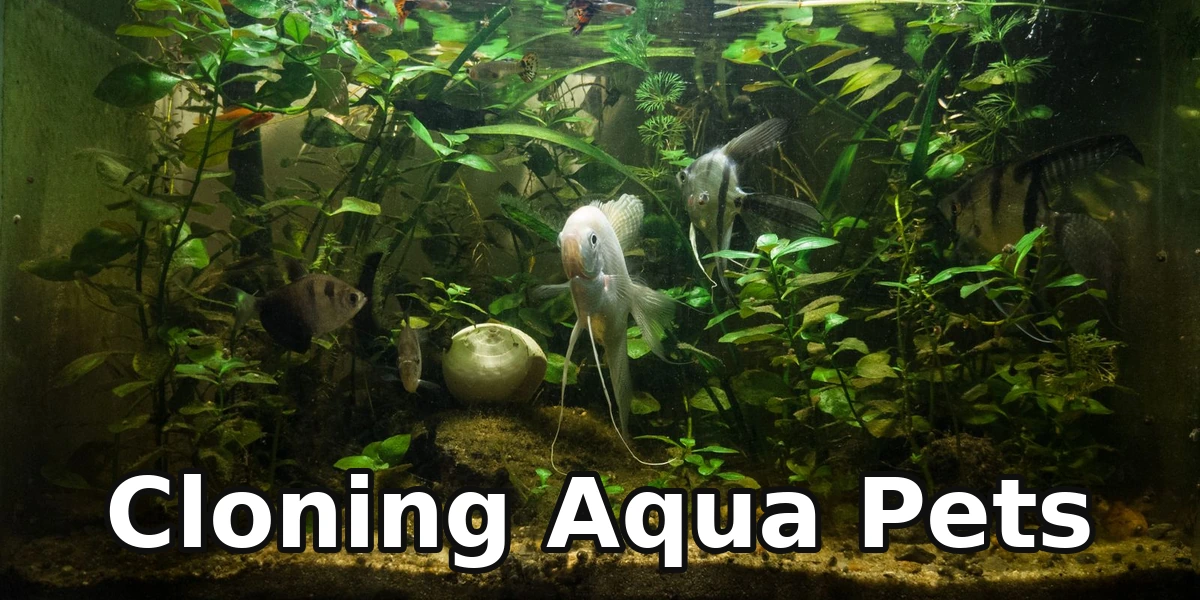
A home aquarium has a quiet way of making a room feel alive, with small fish drifting past green leaves and soft light moving on the water. For many fish lovers, cloning aqua pets is a name tied to that happy world, linked with an aquarium shop in Salem, Tamil Nadu, and with the simple joy of growing a tank step by step. This guide explains what the name means, how aquarium plants are grown and shared, and how to pick fish and plants that settle in well at home.
What This Aquarium Name Really Stands For
The word cloning in the name can sound like science fiction, but in the aquarium world it points to something gentle and normal. Most aquarium plants are not grown from seed. They are copied from a healthy mother plant, through cuttings, runners, or lab-grown tissue, so the new plant carries the same shape and colour as the one it came from. That is plant cloning in its simplest form, and it is how many of the plants in shop tanks are produced. It is also the idea behind the name cloning aqua pets, because each new plant begins as a healthy copy of the one before it.
People who search for cloning aqua pets are often looking for a one-stop aquarium shop rather than a science lesson. A shop of this kind usually brings together live fish, small shrimp, live plants, tanks, filters, food, and the small tools that keep a setup running. Instead of hunting in five places, you can see the fish, plants, and tank together, and picture the full setup before you spend any money.
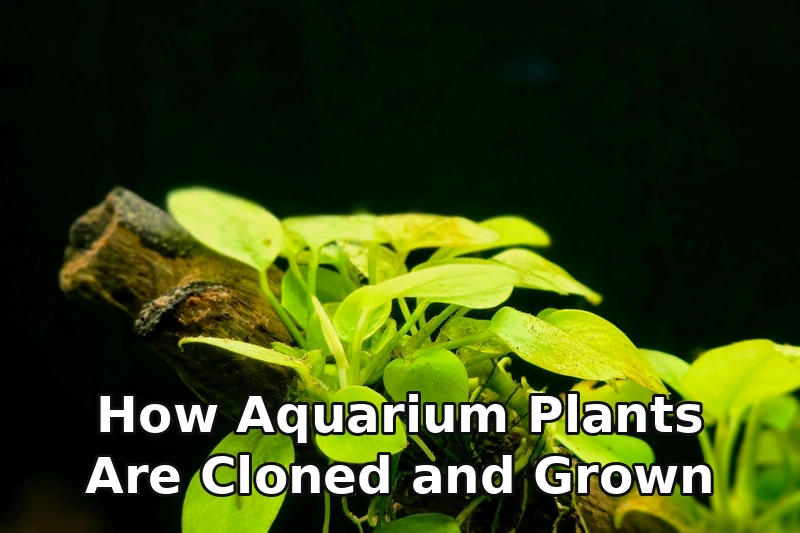
How Aquarium Plants Are Cloned and Grown
The most careful form of plant cloning is called tissue culture. A grower takes a tiny piece of a healthy mother plant and places it in a clean, sealed cup with a soft gel that holds food and moisture for the young plant. Because the cup is sealed and clean, the little plants grow without pest snails, algae, or unwanted weeds riding along. One cup often holds many small plantlets, ready to be rinsed, split, and planted.
Tissue Culture Cups, Explained Simply
Tissue culture plants can look small at first, and that sometimes worries new buyers. Small is normal here. Those plantlets were grown in a cup, not in a pond, so they need time to adjust to life under water in your tank. Give them steady light, gentle water flow, and patience during the first two weeks. Leaves may change shape as the plant settles, which is natural. Cups like these are what many buyers picture with cloning aqua pets, because they start clean and ready to grow.
Growing On Plants at Home
Cloning continues in your own tank once the plants settle in. Stem plants can be trimmed, and the cut tops pushed back into the soil to form new stems. Carpet plants send out side runners that spread across the floor of the tank. Leafy plants such as Cryptocoryne grow baby plantlets at their base, which can be separated once they have roots of their own. This is why one healthy purchase linked to cloning aqua pets can, over a few months, fill far more space than the cup you first carried home.
Fish, Shrimp and the Living Side of the Tank
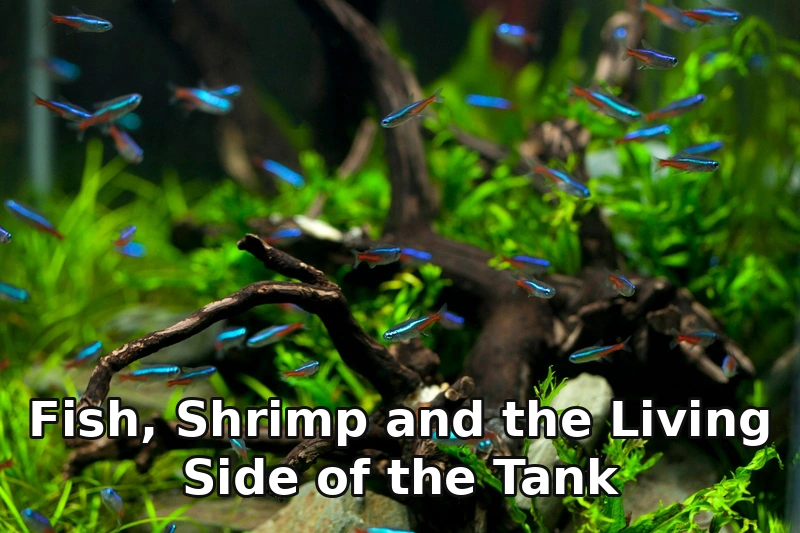
Plants are only half of the picture. The living side of the hobby grows in a similar copy-and-grow way. Many popular shrimp, such as cherry shrimp, breed readily in a stable home tank, so a small starter group can slowly become a busy colony. Livebearer fish also give birth to free-swimming babies, which is why hobbyists often talk about starting small and letting the tank grow on its own.
Good shops also stock starter cultures of tiny live foods, such as micro worms and vinegar eels. Kept in a simple jar, a pinch of them makes soft, moving food for baby fish too small for dry flakes. That small habit can make the difference between weak fry and strong, fast-growing youngsters. In the world of cloning aqua pets, these tiny cultures are part of daily care, not an extra.
This is where cloning aqua pets fits the wider hobby so well. The same patient idea runs through all of it: start with something small and healthy, give it clean water and time, and let it multiply. A single plant cup becomes a green carpet, and a few shrimp become a colony.
Choosing Healthy Fish and Plants on Your Visit
A calm, slow look around the shop tanks will tell you more than any label. Healthy fish swim steadily, breathe in a relaxed way, and hold their fins open. Walk away from any tank with fish resting on the bottom, gasping at the surface, or covered in white spots, even if one fish in it looks fine.
Plants deserve the same care. Look for firm leaves, fresh growth, and roots that look white and alive rather than black and mushy. With tissue culture cups, check that the gel looks clear and the plantlets look fresh, not brown or dried out. Ask the staff three simple questions before you buy: How big does this fish grow? Will it live happily with my current fish? Does this plant need strong light? Honest answers prevent most beginner mistakes. Taking this slow look on a visit linked to cloning aqua pets saves money too, because you go home with stock that is ready to grow.
Setting Up a Planted Tank That Stays Happy
A planted tank does not need a long list of costly gear. It needs a few basics done well. Start with a soil or fine gravel base that plant roots can grip. Add a light that suits plants and keep it on a steady daily timing. A simple filter keeps the water moving and clear, and a small heater may be needed if your room turns cold at night.
Feed fish lightly, only as much as they finish in a couple of minutes, because leftover food clouds the water and feeds algae. Change part of the water every week, and rinse filter parts in old tank water so the good bacteria stay alive. If you plan a shopping list around cloning aqua pets, write it from your own tank size and current fish first, so you buy only what your setup truly needs. Slow, steady habits beat big sudden changes every time.
Conclusion
A happy aquarium is rarely built in one day; it grows, plant by plant and fish by fish, in the same patient way that cloning aqua pets suggests. Start small, choose healthy stock, and give every new life in the tank clean water and time, and your little underwater garden will reward you for years.
FAQs
Is the name about cloning animals in a lab?
No. The name points mainly to aquarium plants, which are copied from mother plants through cuttings and tissue culture, and to a Salem aquarium shop that sells fish, shrimp, and plants.
What are tissue culture aquarium plants?
They are young plants grown in sealed, clean cups of gel in a lab. They arrive free of pest snails and algae, and they grow into full plants once planted in your tank.
Can a beginner start with a planted tank?
Yes, a beginner can start happily with easy plants, a simple light, and a few hardy fish. The cloning aqua pets approach helps here: start small, learn the weekly water change habit, and add more only when the tank looks settled.
Do shrimp really breed at home?
Many small freshwater shrimp breed in a stable tank with plants and hiding spots. Babies are tiny at first, so a sponge over the filter intake helps keep them safe.
What should I check before buying fish?
Watch the whole tank, not just one fish, and look for steady swimming, open fins, and clear eyes. Ask how big the fish grows and whether it suits the fish you already keep.
