

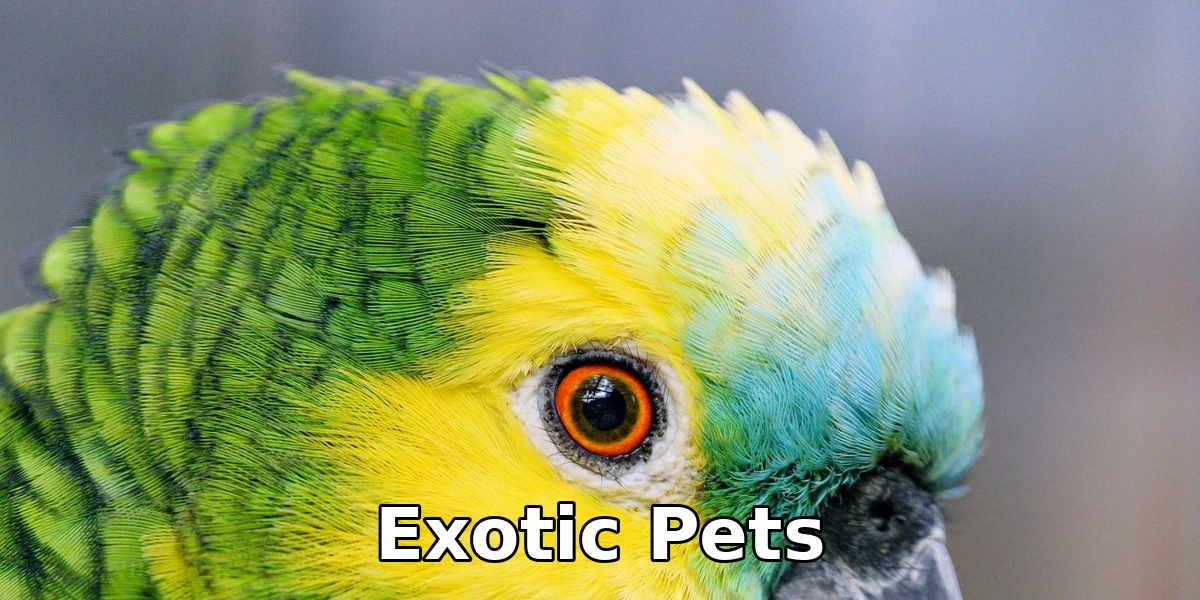
Some animals stop us in our tracks the moment we see them, with bright colours and ways of moving that feel like a small piece of the wild. For many animal lovers, exotic pets begin as that spark of wonder, a gecko blinking on a warm rock or a parrot calling from a sunny perch. Wonder is a lovely place to start, but it cannot be the whole plan. This guide walks through what these animals truly need.
What Makes an Animal Count as Exotic?
The word exotic simply means an animal that is not a common household pet like a dog or a cat. It covers a wide mix: reptiles such as geckos and bearded dragons, amphibians like frogs, birds such as parrots, and small mammals like hedgehogs and sugar gliders. Some people even keep tarantulas and find them calm company.
What unites exotic pets is not how they look, but how specific their needs are. A dog is happy in most homes with food, walks and love. A reptile may need exact heat and light every day, and a small mammal may be awake all night while you sleep. Learn which group your dream animal belongs to, because each group asks for a different kind of home.
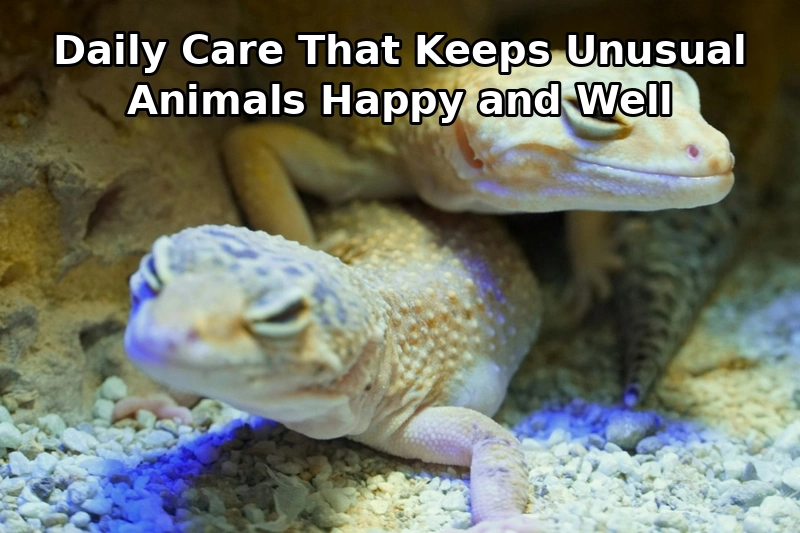
Daily Care That Keeps Unusual Animals Happy and Well
Daily care is where love becomes real. Most unusual animals live in an enclosure or tank for much of their life, so that space must copy their natural home as closely as you can. Heat, humidity and light are not extras; they are the basics of a good life.
A simple daily routine for exotic pets looks like this in spirit: check the temperature and water in the morning, offer the right food, watch the animal move and eat, and tidy the enclosure. None of this is hard on its own. The test is doing it every day, on busy days and tired days too.
Getting heat, light and humidity right
Reptiles and amphibians are the most sensitive here. Many need a warm side and a cool side in their tank, special lighting for healthy bones, and air that is damp or dry depending on where they come from. Thermometers help you check instead of guess. A setup that is slightly wrong can quietly make an animal sick over months.
Space and quiet places to hide
Nearly every unusual animal needs a place to hide and feel safe. A shy animal with no shelter lives in stress, and a stressed animal often stops eating. Branches for climbers, deep bedding for diggers, and room to move away from noise all matter.
Food, Health Checks and Finding the Right Vet
Feeding is rarely as simple as opening a bag. Many exotic pets eat live insects, special pellets, fresh greens, nectar mixes or frozen foods, and the mix changes with age. A diet that looks fine can still miss one key nutrient, and the animal may not show it for a long time. Reading about your exact species matters more than general pet advice.
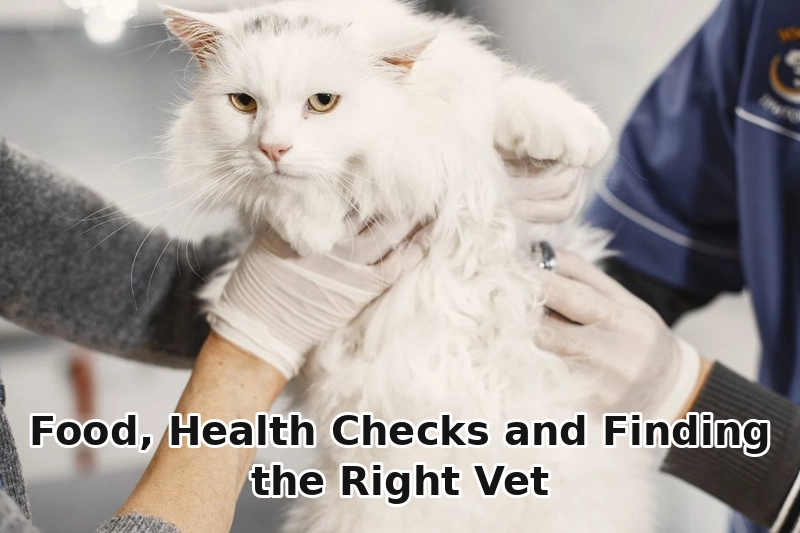
Health checks are different too. Unusual animals often hide signs of illness, because in the wild a weak animal is an easy target. By the time one clearly looks unwell, it may have been sick for a while. Watch for small changes: eating less, moving less, or dull skin or feathers.
The vet question to settle before you buy
Not every vet treats unusual animals. Many kind, skilled vets work only with cats and dogs, and that is fine, as long as you know it before you need help at midnight. Find a vet with real experience in exotic pets before you bring one home, and save the number in your phone.
The Legal and Honest Side of Keeping Unusual Animals
Laws on keeping unusual animals change from place to place, and can differ even between nearby towns. Some species are welcome with no paperwork, some need a permit, and some may not be kept as pets at all where you live. Checking first is respect for the law and for the animal.
There is also an honest, kind side to where your animal comes from. Choose sellers who breed animals in captivity and can show you healthy, well-kept enclosures. Wild-caught animals often arrive stressed and unwell, and taking animals from the wild harms the places they belong to. A patient wait for a captive-bred animal is the better start for exotic pets and for you.
Questions to ask a seller
Ask what the animal eats, how old it is, and how it has been housed. A good seller answers gladly and asks you questions back, because they want their animals in ready homes. If a seller rushes you or hides the enclosures, walk away and keep looking.
Time, Cost and a Lifespan That May Surprise You
Unusual pets are not always the cheap, easy option they appear to be in a shop window. The animal may cost little, while the tank, heating, lighting, special food and vet visits add up month after month. The true cost is the care, not the purchase.
Time is the other surprise. Some parrots and tortoises can live for several decades, so choosing one is closer to a lifelong promise than a hobby. Even smaller exotic pets may need daily care for many years. Before you buy, picture your life a few years from now. If the animal still fits that picture, your heart is in the right place.
How to Choose the Right Unusual Pet for Your Home
Start with your real life, not with a photo online. If your evenings are free, a nocturnal animal that wakes at dusk may fit you well. If you love calm, slow behaviour, a reptile may suit you better than a busy, social bird. Matching the animal to your routine is the kindest filter of all.
Beginners often do well with hardy, well-understood species that forgive small mistakes while you learn. Spend time near the animal before you decide, and watch how it moves and eats. Many keepers of exotic pets will tell you the same thing: the right animal is not the rarest one in the shop, it is the one whose needs you can meet happily, every day, for years.
Conclusion
A pet does not need to be common to be deeply loved, and it does not need to be rare to be special. What it needs is a home that understands it, feeds it well and keeps it safe for its whole life. If you do your homework first and your heart still says yes, exotic pets can bring a quiet, wonderful kind of joy.
FAQs
Are exotic pets hard to look after?
Some are simple once the setup is right, while others need daily checks and special food. The key is matching the animal to the care you can truly give.
Do I need a permit to keep one?
It depends on the species and on where you live, as rules change from place to place. Always check your local rules before you buy, and keep any paperwork safe.
Can exotic pets be friendly with people?
Many learn to trust gentle handling and calm routines, though most will never be cuddly like a dog. Enjoy them for their own nature, and trust grows with time.
What should I buy first, the animal or the setup?
Always the setup first, running and tested for a few days before the animal arrives. A ready home means the animal settles fast, with far less stress.
Where is the best place to get one?
Choose a seller who breeds in captivity, keeps clean enclosures and answers care questions with ease. Avoid wild-caught animals, and never buy in a rush.
