

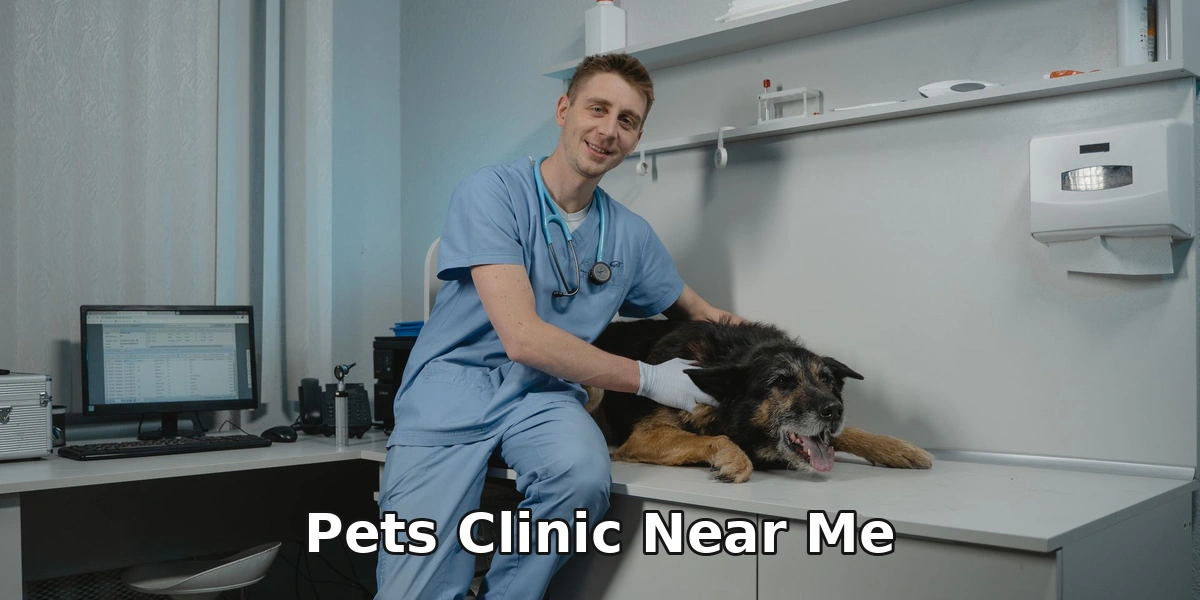
A pet that stops eating, limps, or cries in pain can turn a normal day into a worried search within minutes. Typing pets clinic near me into your phone is often the first step, and the choice you make in that moment shapes how fast your pet gets gentle, skilled help. A good clinic is also the place for yearly checkups, vaccines, and honest advice as your pet grows.
What a Good Pet Clinic Can Do for Your Pet
A pet clinic is your pet’s own health home, much like a family doctor is for you. When you search for pets clinic near me, you are usually looking for three things at once: a skilled vet, a kind team, and a place close enough to reach without a long, stressful ride. If a clinic gives you all three, routine visits feel easy and urgent visits feel less scary.
Regular checkups help a vet spot small problems before they grow. A vet can check your pet’s weight, teeth, skin, ears, and heart, and can notice changes you may miss at home. Puppies and kittens need early vaccines and deworming, while older pets may need blood tests or joint checks. Staying with one clinic keeps your pet’s records in one place, so the vet knows its history.
Services a Pet Clinic Usually Offers
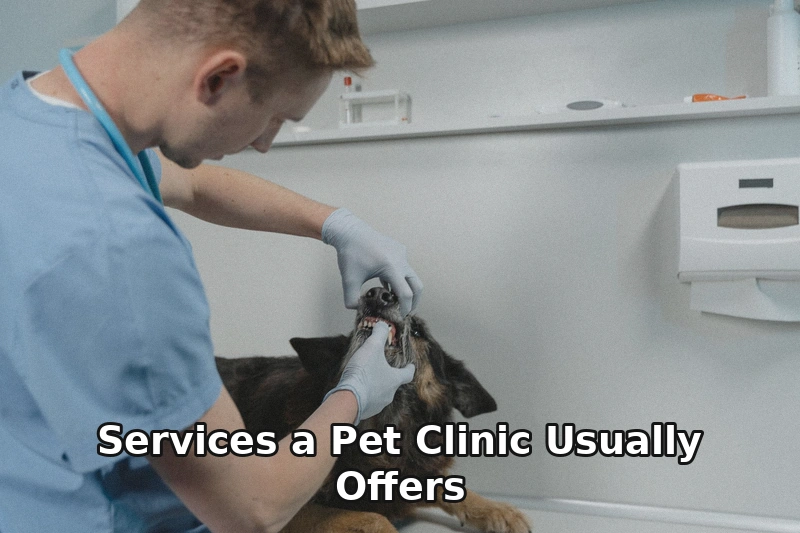
Most pet clinics cover a wide range of daily and medical care, though the exact list changes from place to place. A listing under pets clinic near me may point to a small neighbourhood clinic or a larger animal hospital, so it helps to know the common ones. Use the list below as a guide for what to ask about, not as a promise that every clinic offers every service.
Everyday care and checkups
Daily and yearly care is the base of clinic work. This often includes general health checkups, vaccinations, deworming, flea and tick control, nail trimming, ear cleaning, and basic dental checks. Many clinics also give advice on food, weight, and behaviour. These small visits keep your pet protected and help you build a friendly bond with the team.
Treatment, tests and surgery
When a pet is ill or hurt, a clinic may offer blood tests, X-rays, scans, wound care, and treatment for infections, stomach trouble, skin problems, and pain. Some clinics carry out surgery such as neutering, while bigger hospitals may handle complex operations and keep pets overnight. Before you choose a pets clinic near me result for surgery or tests, ask what is done in-house and what is sent to an outside lab, so you know how long results may take.
How to Find a Pet Clinic You Can Trust
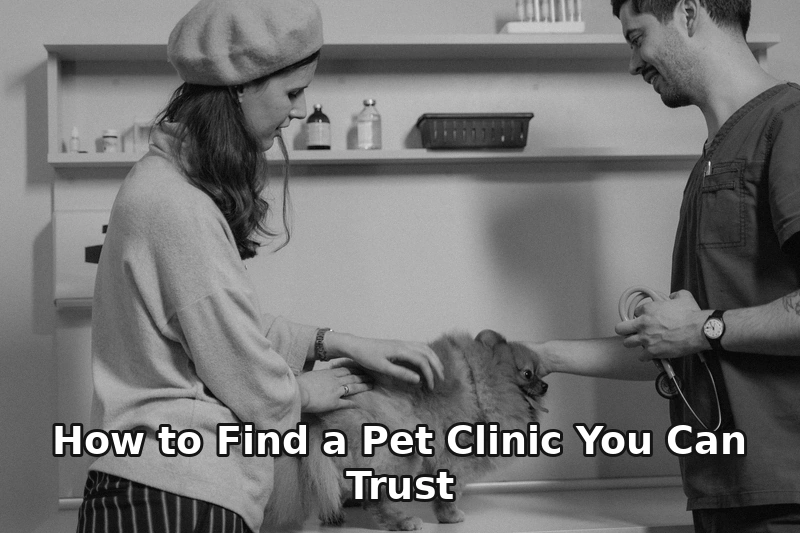
Start with distance, because a clinic you can reach fast matters on a bad day. Typing pets clinic near me gives you a list, but the nearest name on a screen is not always the right fit for your pet. Check the trip in real traffic, and whether the clinic’s hours fit your work day.
Next, read reviews and comments with a calm mind. One angry or glowing comment tells you little, but patterns tell you a lot: clean rooms, gentle handling, clear bills, and honest advice are signs of a clinic people trust. If you can, visit once before your pet is sick. A short first visit shows you how the staff speak to animals and to you.
Questions to ask before you register
A short call tells you a lot. Ask which animals the clinic treats, whether you need an appointment, what happens in an emergency, and how fees are charged for a first visit and common tests. A good pets clinic near me choice should welcome these questions and answer in plain words. If the answers feel rushed or unclear, keep looking, because trust at the start saves worry later.
Ask also how the clinic shares test results, whether they remind you about vaccine dates, and who you can call if your pet reacts badly to a medicine at night.
Signs Your Pet Should See a Vet Soon
Some signs can wait a day or two, and some cannot wait at all. Book a visit soon if your pet stops eating for a day, keeps vomiting, has loose motions that do not settle, coughs again and again, loses weight without a clear reason, or suddenly behaves very differently. Limping, scratching that breaks the skin, bad breath with sore gums, and lumps that grow also deserve a check.
Other signs need same-day, urgent help: hard breathing, bleeding that does not stop, a swollen belly, seizures, collapse, or trying to pass urine with no result. Puppies, kittens, and older pets can go downhill fast, so do not wait and watch with them. When in doubt, call the clinic, describe what you see, and let the vet decide how fast your pet must be seen.
Small changes that matter
You know your pet’s normal habits better than anyone. Noticing that a cat hides more, a dog drinks far more water than usual, or a rabbit eats less hay can be the earliest clue that something is wrong. Writing down when a change began gives the vet very helpful information at the visit.
How to Prepare for a Clinic Visit
A calm visit starts at home. When you book with the pets clinic near me you have chosen, note your pet’s symptoms, when they began, what food it eats, and any medicines it takes. Take photos or a short video of odd behaviour, limping, or coughing if you can, because pets often act normal at the clinic even when they were unwell at home.
Carry your pet safely: cats travel best in a secure carrier, and dogs should stay on a firm leash. Take past records if you have them, and arrive a little early so your pet can settle. After the visit, follow the medicine plan fully, even if your pet looks better in two days, and call the clinic if you see any side effect that worries you.
Conclusion
Your pet cannot say where it hurts, so it trusts you to choose its care with love. If you take a little time to choose pets clinic near me with a calm head — checking services, distance, fees, and how the team treats animals — you give your pet a safe health home for every stage of life, from the first vaccine to the slow, sweet senior years.
FAQs
How do I choose the right clinic for my pet?
Start with distance, clean rooms, gentle staff, and clear answers to your questions. A pets clinic near me that welcomes a first visit and explains fees plainly is usually a safe place to begin.
What services does a pet clinic usually offer?
Most clinics offer checkups, vaccines, deworming, dental checks, tests, and treatment for common illness and injury. Bigger hospitals may also offer surgery and overnight care, so always ask what is available.
How much does a clinic visit cost?
Fees differ by city, clinic, and treatment, so no honest guide can name a price without seeing your pet. Call the pets clinic near me you like and ask for the consultation fee and likely test costs before you go.
What should I bring to the first visit?
Bring past vaccine and treatment records, a note of symptoms and when they began, and a list of your pet’s food and medicines. Keep cats in a secure carrier and dogs on a firm leash for safety.
What if my pet falls sick at night?
Call your clinic first and listen for its emergency directions, or go to the nearest clinic that offers night emergency care. Keeping the number of a pets clinic near me saved in your phone saves precious minutes on a stressful night.
